
Discussion on rising European aluminum spot premiums and tight supplies of aluminum plates and profiles.
2026-10-08
Core Reasons
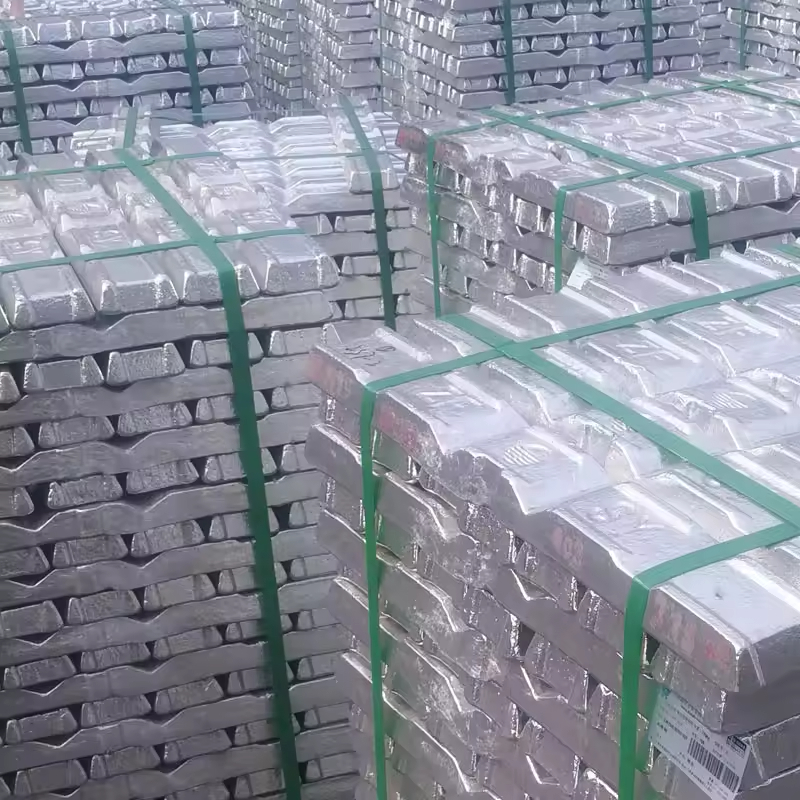
- Global aluminum supplies diverted to North America (primary driver)Driven by US aluminum import tariff policies, North America enjoys an extremely high spot premium. Smelters in Canada, Norway, Iceland and the Middle East prioritize shipping aluminum ingots and billets to North America for higher profits. A large volume of cargo originally destined for Europe is diverted to the Americas. Europe itself has very limited domestic primary aluminum smelting capacity. Local smelters have long been suppressed by high electricity prices plus EU ETS carbon costs; almost no new capacity comes online and capacity restarts are slow. Russian aluminum is also restricted from inflow due to sanctions. Europe has fewer import sources for primary aluminum and must compete with the US for limited global spot aluminum supply.
- Shortage of aluminum billets restrains profile productionAluminum billets are raw materials for extruders to manufacture aluminum profiles and tubes.
- European extruders have received replenishment orders from automotive, photovoltaic frame and construction sectors, triggering fierce competition for billets among extruders.
- Billets are processed feedstock rather than ordinary aluminum ingots, with longer production and transit cycles. 👉 Rising billet premium → European extruders face raw material shortages and lower operating rates → Longer lead times and higher spot prices for profiles.
- Tight supply of hot-rolled aluminum sheets & platesAluminum sheets cannot be produced directly from aluminum ingots; they require aluminum slab feedstock.
- Slab supply is equally tight;
- Maintenance shutdowns at European hot rolling mills lead to low capacity flexibility;
- Automotive, packaging and construction machinery customers build up inventory in advance, continuously drawing down stock at European metal service centers. Spot inventory of aluminum sheets held by European distributors remains low. Urgent spot orders come with extra premiums and extended lead times.
- Port & inland logistics plus carbon costs amplify the premium
- Port congestion in Rotterdam and other ports, limited inland trucking capacity push up ocean freight and inland delivery costs.
- Rising EU CBAM and ETS carbon prices add carbon expenses from smelting, hot rolling and extrusion into spot premiums.
Note: Market analysis generally agrees that supply shortage is the root cause; CBAM only amplifies costs instead of creating the shortage.
- Persistently low LME inventory leaves little bufferLME registered warehouse aluminum stocks have stayed near decade-long lows. Without massive inventory available for quick release once demand surges, fears of spot shortages push the premium higher.
Current Market Situation (Key for Foreign Quotation)
- Distinguish futures price vs spot price: LME aluminum may fluctuate downward, yet the European regional spot premium rises independently. It is possible that LME falls, but the actual landed cost for European buyers purchasing aluminum sheets/bars stays flat or even increases.
- Diverging lead times:
- Premiums remain controllable for long-term contracts with pre-locked billet supply.
- Urgent spot purchases by European buyers face obvious premium hikes and extended delivery schedules.
- Variety difference: Premium growth for extruded aluminum billets/profiles > hot rolled aluminum sheets > standard primary aluminum ingots.
Practical Impacts on Your Export Quotation
- When quoting aluminum sheets, profiles and tubes for European clients, do not only reference LME price. You must include European regional spot premium, CBAM carbon cost and logistics fees.
- European buyers now pay more attention to lead time. Many local extruders have stretched order backlogs. More clients will send inquiries for finished aluminum sheets and profiles manufactured in China.
- Risk reminder: European premiums are highly volatile. For short-term orders, lock prices briefly and avoid long-term fixed pricing. Add price validity notes in quotations.
- Competitor comparison: High local spot premiums in Europe improve the price competitiveness of Chinese exported aluminum products, but CBAM carbon declaration costs need to be reserved.
Risk Outlook
The premium may fall if Middle East aluminum exports recover and Canadian cargo flows back to Europe. If demand from automotive and photovoltaic industries keeps improving, the aluminum billet gap in Europe will widen further and push premiums upward.
Next:No more content