
NEWS
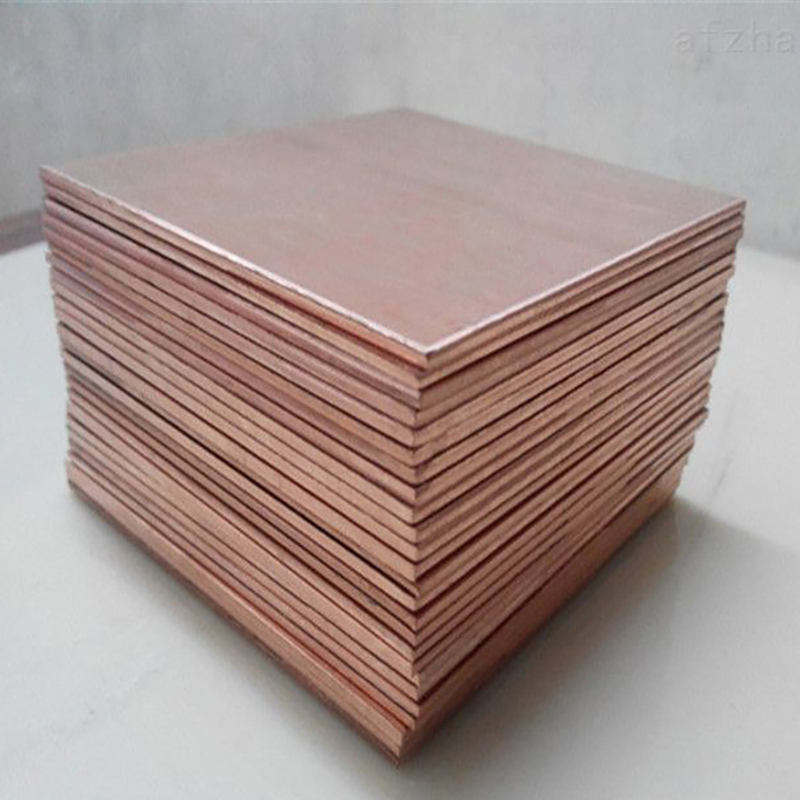
I. Current Market: International Copper Price Fluctuates at High Levels, How Foreign Trade Enterprises Grasp Market Rhythm
1. Market Overview
In Q3 2026, the 3-month LME copper futures once surged to USD 14,779/ton, hitting a record high. The main SHFE copper contract also broke through the mark of RMB 110,000/ton, ushering in a powerful rally in the global copper market.
However, the market quickly diverged after peaking. With expectations for US refined copper tariffs cooling down, copper prices retreated from highs and entered a phase of high-level consolidation.
A key feature: There is no overall shortage of copper globally, yet inventory distribution is extremely unbalanced. Large volumes of copper have been transported in advance to COMEX warehouses in the US, where North American inventories keep accumulating. In contrast, spot inventories in Europe, Asia and other non-US regions remain low. Tight local spot supply pushes up spot premiums, bringing huge quoting pressure for foreign trade procurement and copper product exporters.
II. Core Drivers Behind This Round of Copper Price Hike
1. Supply Side: Copper Mine Output Remains Under Pressure
Chile, the world’s largest copper producer, saw a notable drop in copper mine output this year, with July production down 9.4% year-on-year, hitting a multi-year low. Global copper concentrate treatment charges (TC) keep falling, reflecting tight raw material supply from mines. Smelters face greater difficulty in obtaining raw materials, which underpins the bottom of copper prices fundamentally. Mining operations are constrained by geology, labor disputes, water resources and other factors. New large-scale copper mine projects take a long cycle to commission, so the growth of long-term copper mine supply is limited.
2. Policy Disturbance: US Tariff Expectations Disrupt Global Copper Flows
Expectations for US tariffs on refined copper are the direct trigger for this rally. The market anticipated in advance that the US would impose tariffs on imported refined copper. Traders rushed to ship and stockpile copper, triggering large-scale cross-border copper flow shifts. This created a structural contradiction: full warehouses in the US and tight supply with high prices elsewhere. Price volatility was amplified. Every update on tariff news quickly triggers sharp intraday swings in LME copper.
3. Demand Side: Long-term New Energy Demand Supports Prices, While Traditional Industrial Peak Season Faces Game
Copper is known as the "new energy metal". Photovoltaics, wind power, energy storage, new energy vehicles and grid renovation continuously generate incremental demand, forming the long-term bullish logic for copper. In the short term, September to October each year marks the traditional industrial peak season "Golden September & Silver October". Downstream sectors including cables, machinery and hardware manufacturers have restocking needs. Nevertheless, facing high copper prices, downstream buyers are generally reluctant to purchase in bulk. Most adopt on-demand small-batch procurement, restricting further unilateral surges in copper prices.
4. Macro Environment: US Dollar and Fed Interest Rates Are Key Variables
Copper is denominated in US dollars. US Federal Reserve monetary policy and US dollar strength directly affect international copper prices. A stronger US dollar raises purchasing costs for overseas buyers and suppresses copper prices. Shifts in market rate-cut expectations drive capital inflows and outflows in commodity markets, magnifying short-term copper price volatility. Meanwhile, geopolitical conflicts in the Middle East push up energy costs and inflation expectations, indirectly lifting metal prices.
III. Pain Points for Foreign Trade Enterprises (Reference for Copper & Pipe Import/Export)
- High quoting risk: Intraday copper price swings are fierce. Valid quotation periods for foreign trade offers are greatly shortened. Locking prices for long-term orders becomes difficult. Raw material price hikes after quotation can directly erode order profits.
- Unstable regional price spreads: Price gaps between domestic and overseas markets change rapidly. Purchasing costs differ widely across countries, making cost forecasting challenging when quoting for clients in South America, Southeast Asia and other regions.
- Cautious order placement from clients: Overseas manufacturing customers remain watchful. They tend to place short-term, small-batch orders instead of signing large long-term contracts.
IV. Market Outlook & Operational Recommendations
Short term: Copper will mainly fluctuate at high levels with elevated volatility risks. Key factors to monitor: whether US refined copper tariffs take effect, Fed interest rate decisions, and real consumption strength in overseas and domestic manufacturing peak seasons. Copper prices face risks of periodic correction if tariff expectations fade or downstream demand falls short of forecasts.
Long term: New copper mine capacity release is slow, and sustained new energy demand keeps copper supply and demand in a tight balance. The overall trend of copper prices remains strong, and the chance of a deep slump is limited.
✅ Practical advice for foreign trade
- Shorten quotation validity. Prioritize short orders. Use raw material price hedging tools for large contracts to mitigate risks.
- Track real-time LME quotes closely. Add raw material price adjustment clauses to contracts to share risks from commodity price hikes.
- Restock in batches. Avoid large-volume inventory build-up at high price levels to cut capital occupation.
- Proactively communicate copper price fluctuation risks with overseas customers and reach consensus on order price adjustments.
Conclusion
Copper is no longer merely a traditional industrial metal; it is a strategic resource for the new energy era. Driven by intertwined policies, macroeconomics and supply-demand factors, high volatility in international copper prices may become normal. For foreign trade practitioners dealing in copper materials and metal products, tracking market trends and implementing risk hedging are the keys to securing orders steadily.